What's it like to live aboard?
Living aboard a sailing yacht is a pretty special way of life. It doesn't get any closer to nature while being as comfortable as in a house. Yet it comes with its unique challenges.
If you're really curious, you can read the complete crew handbook. It covers everything you need to know but is pretty long, so the most important questions are answered below.
Meet the crew
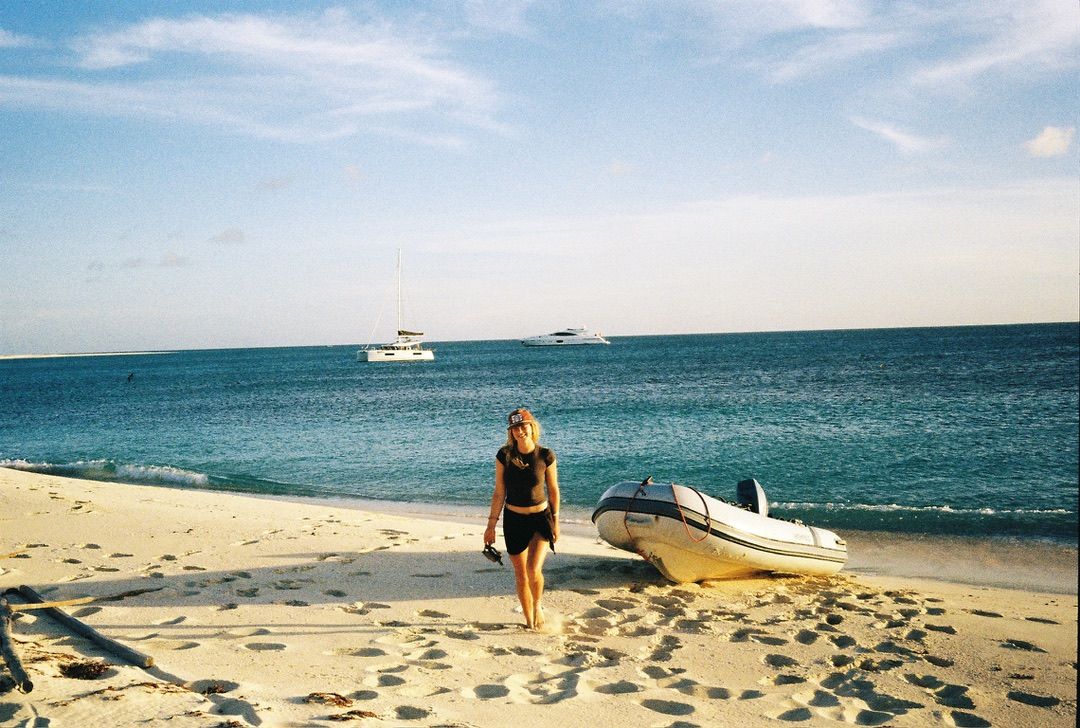
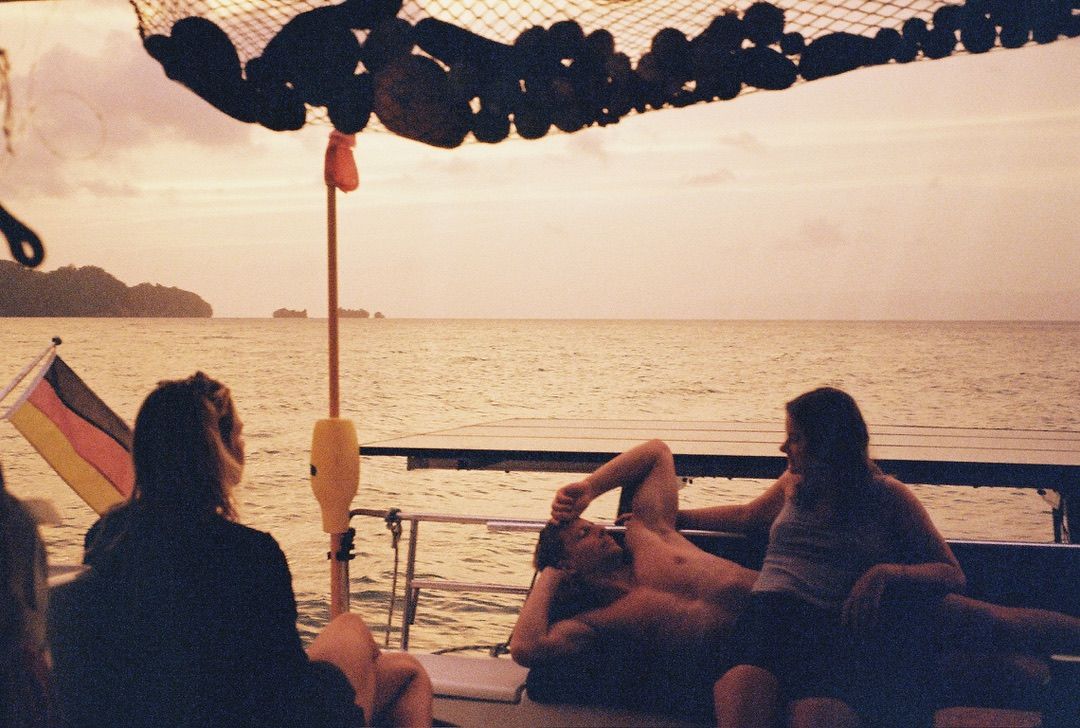
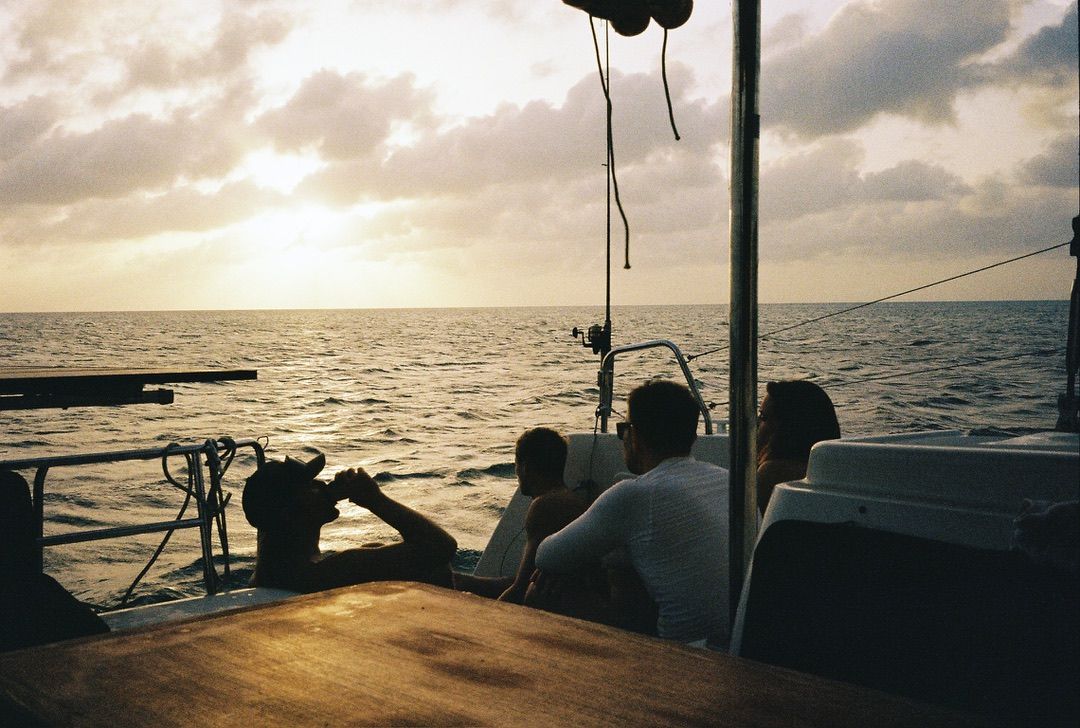
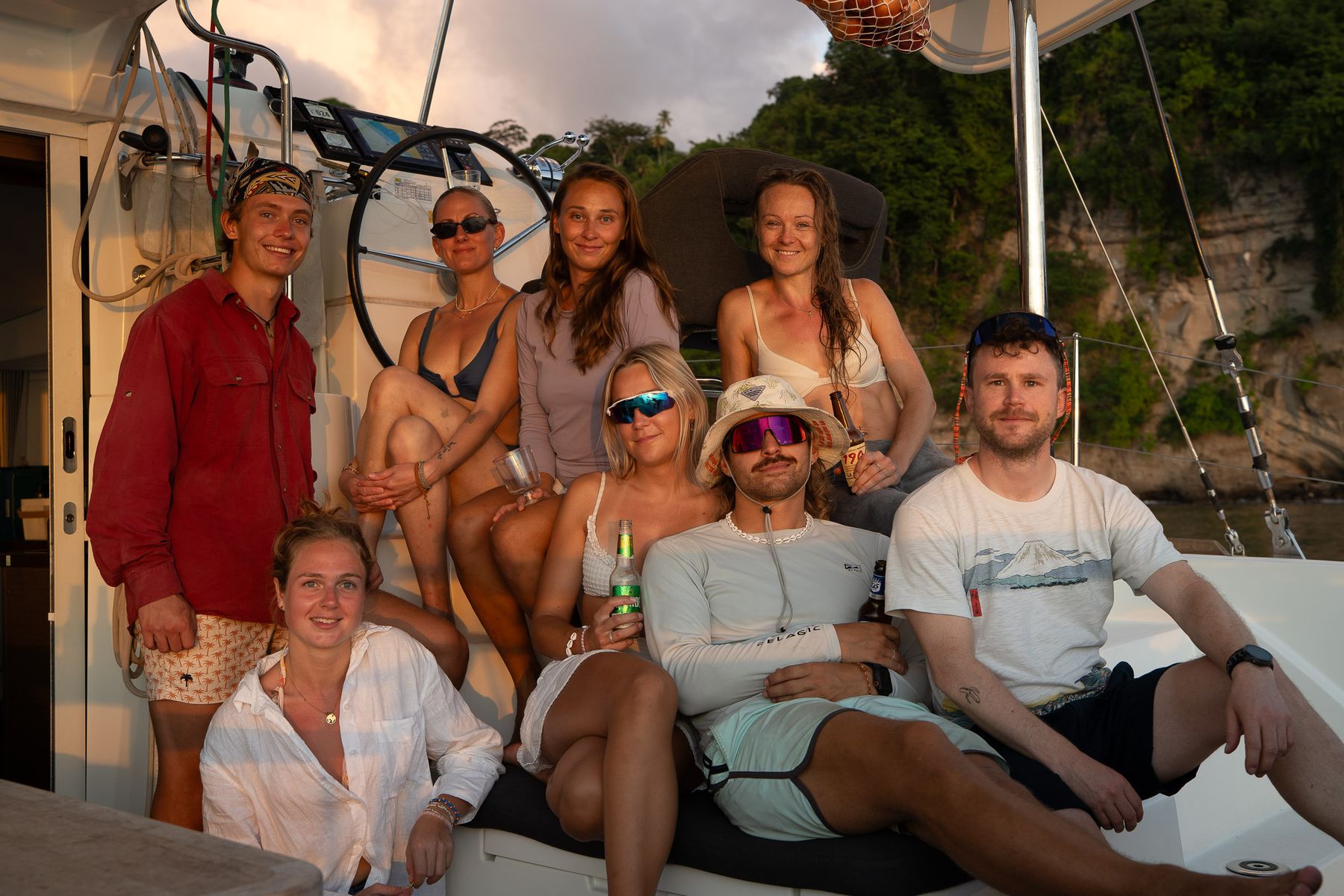
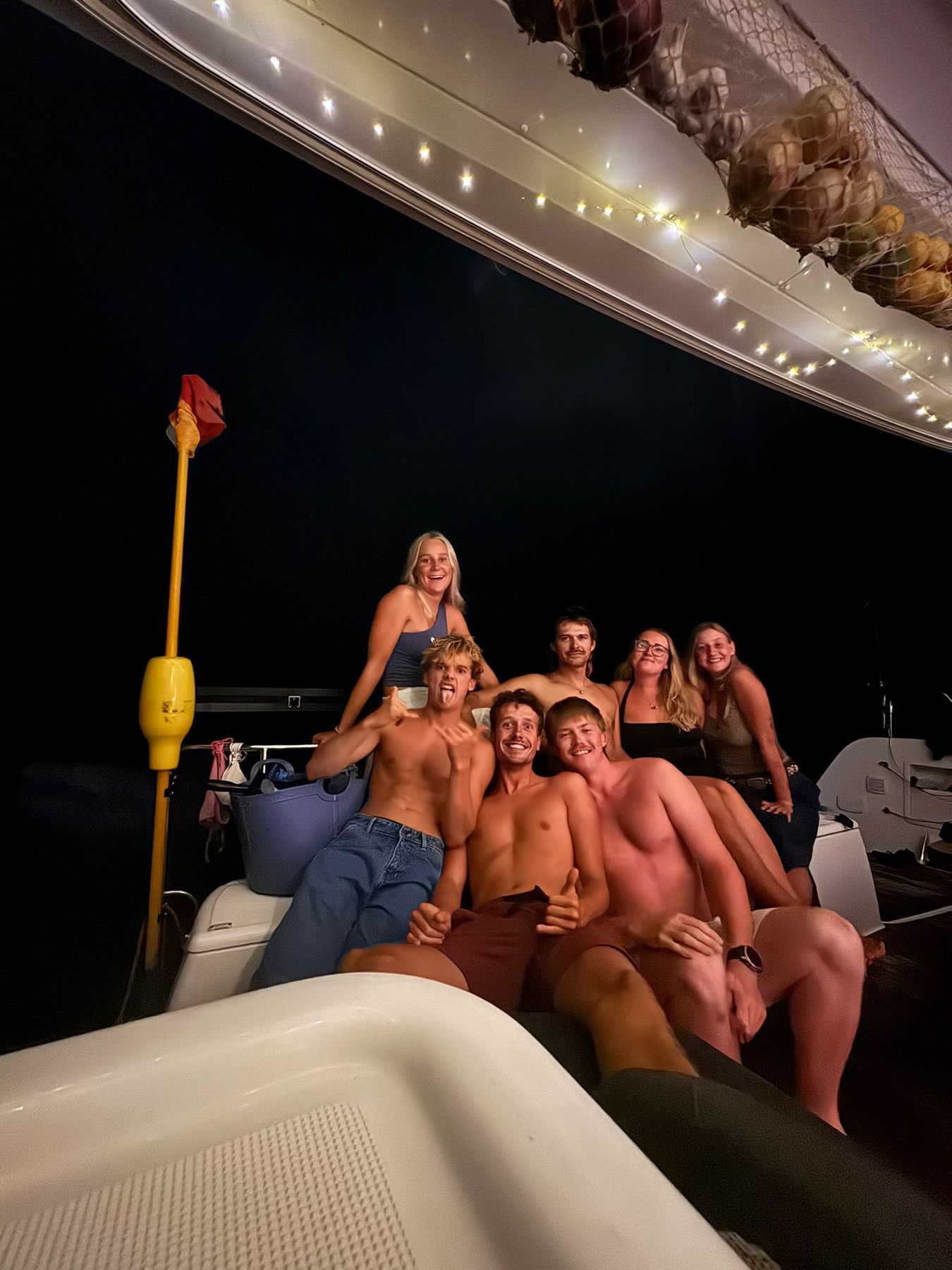
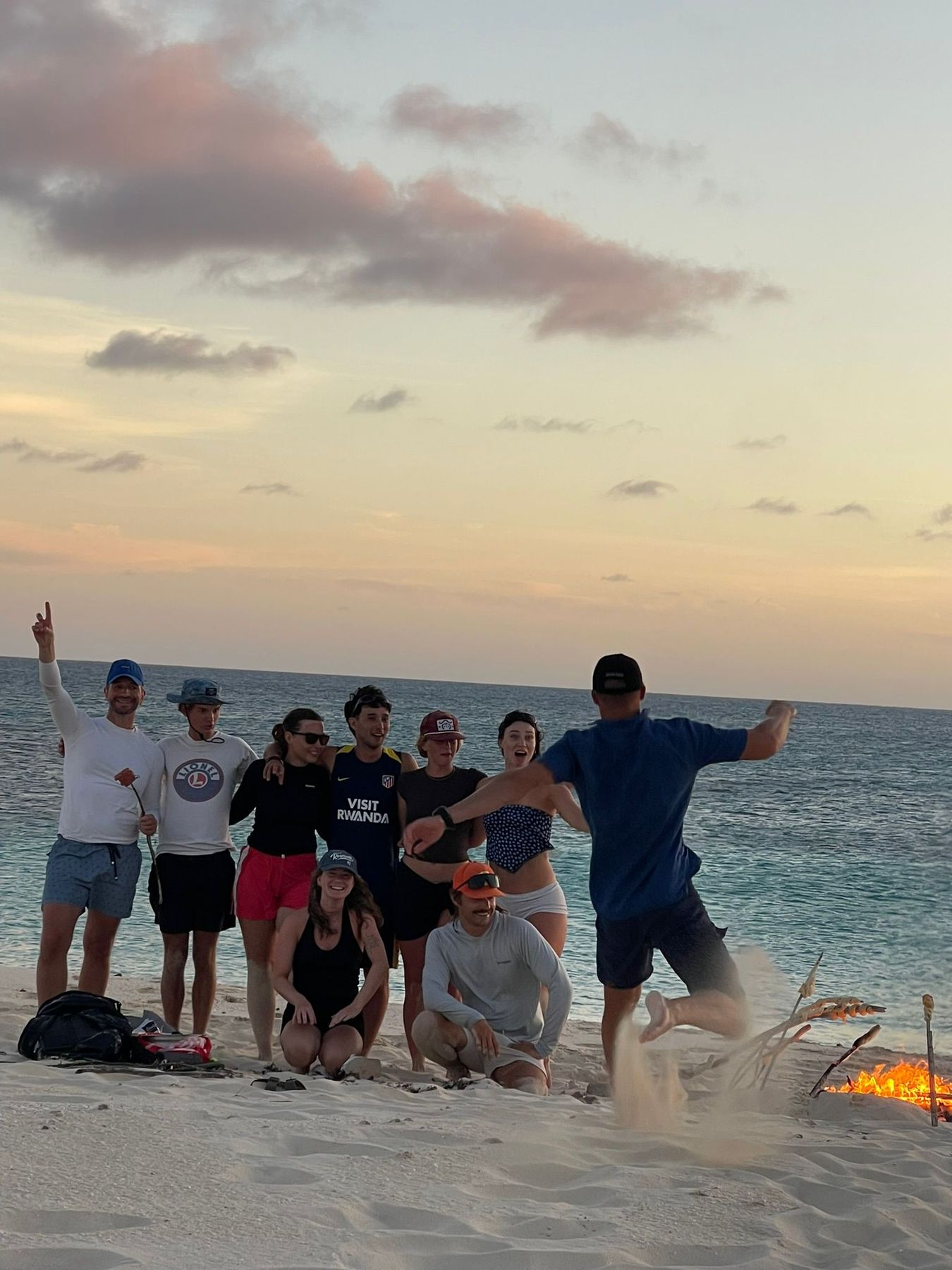
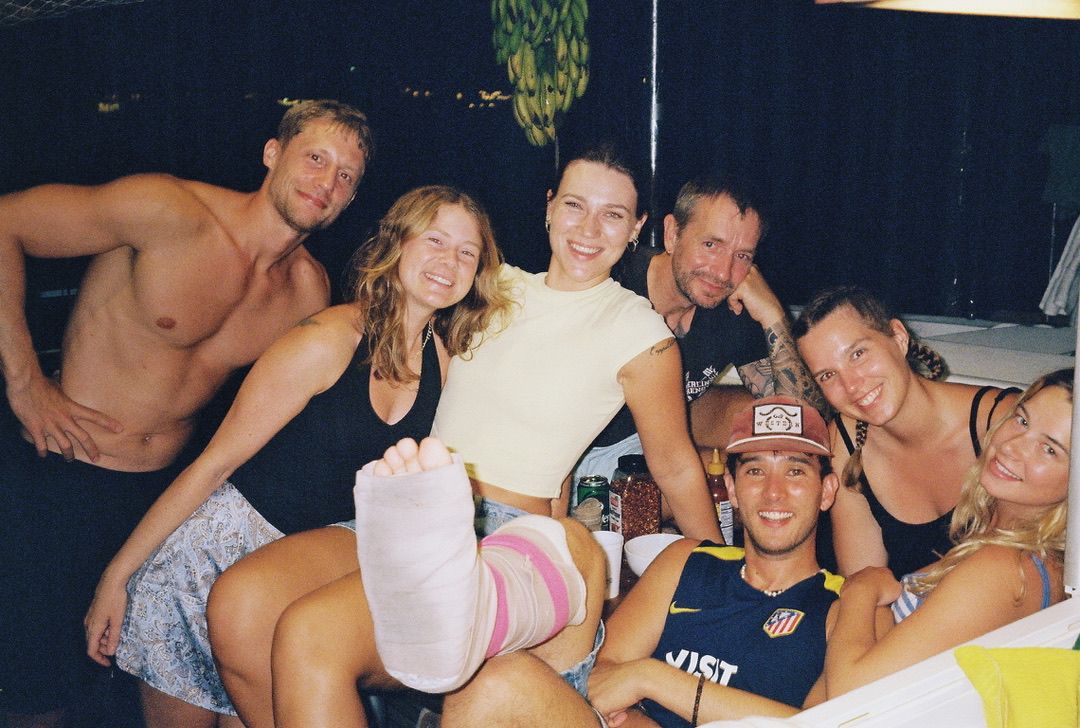
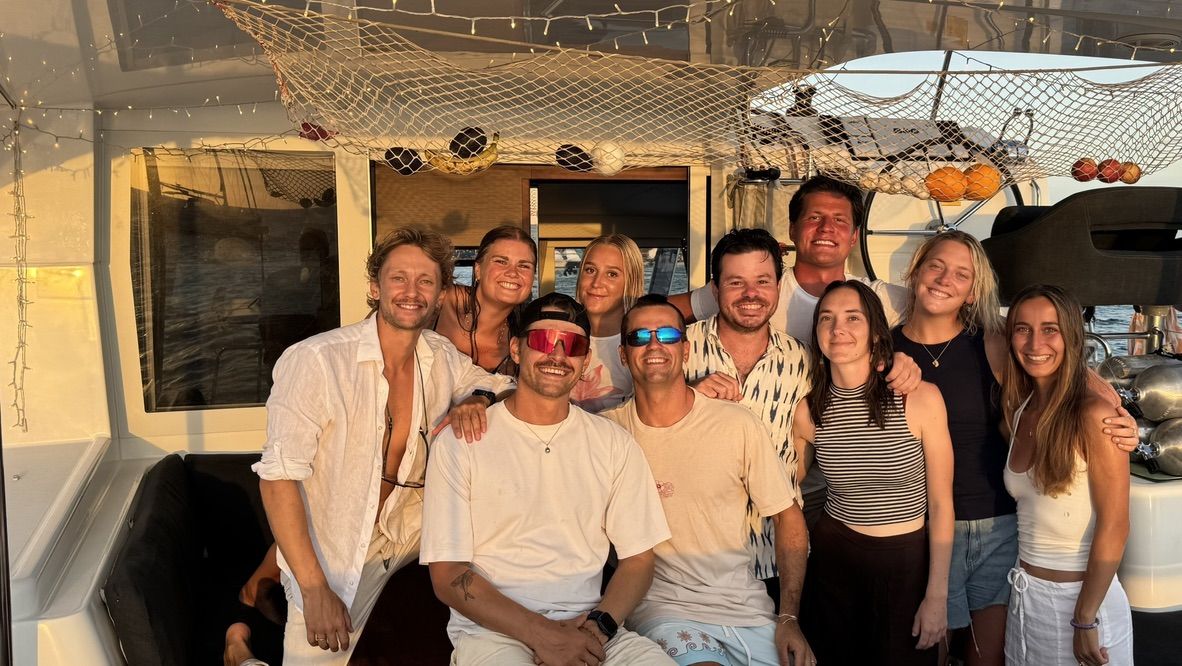
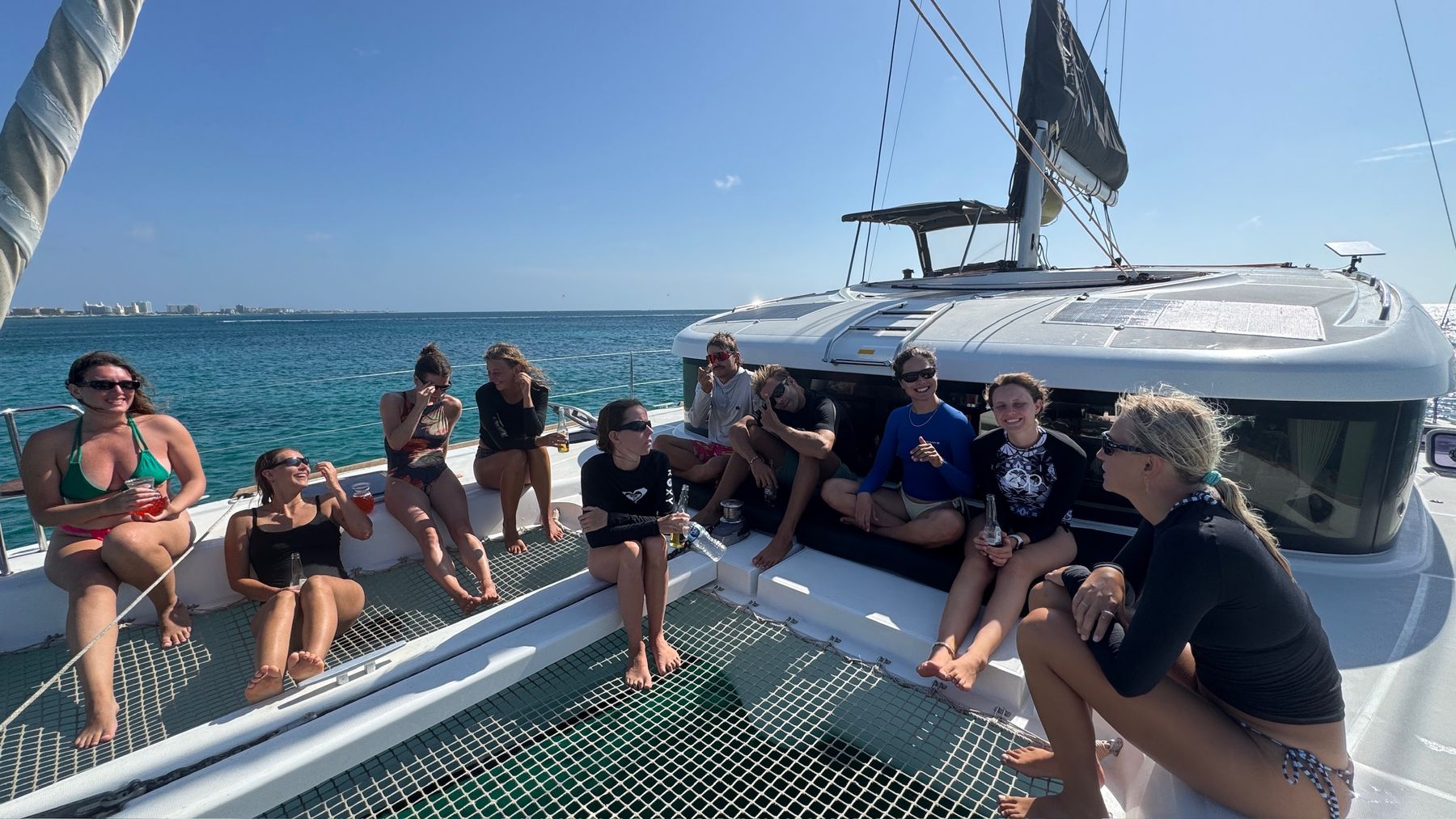
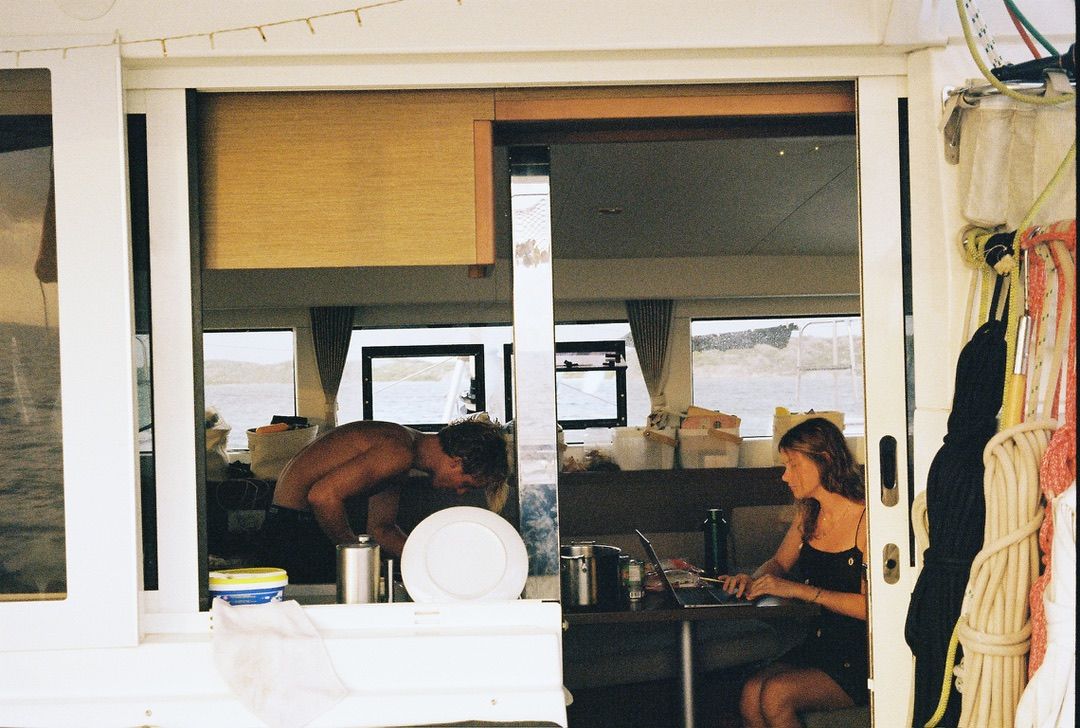
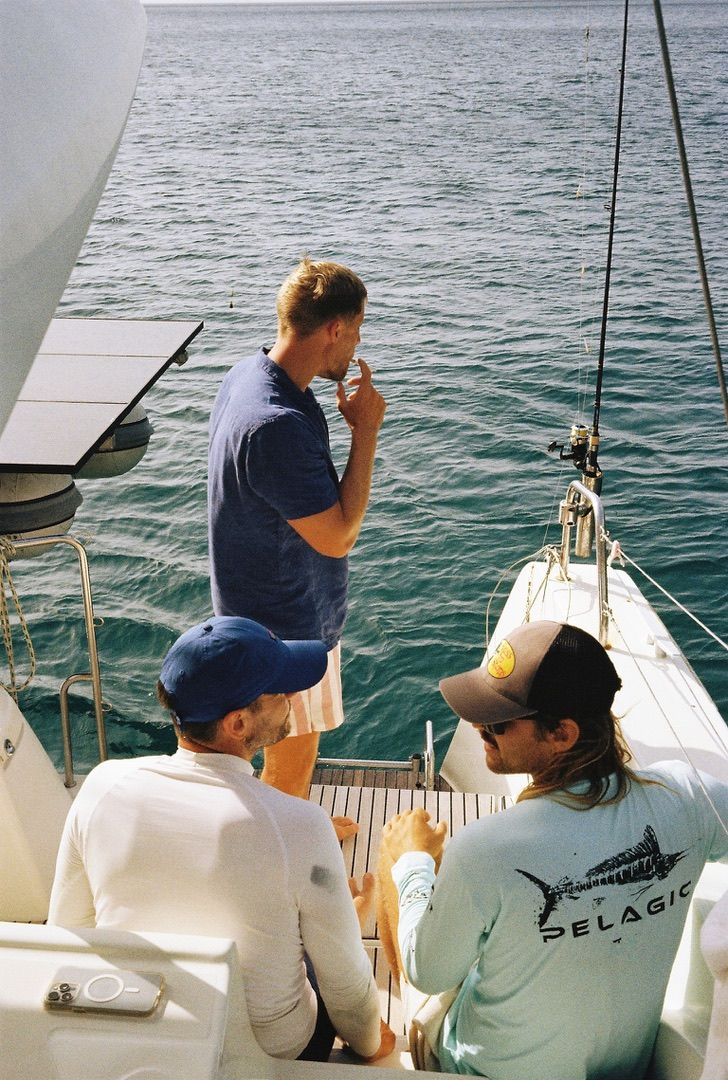
Every trip has its own group of people, and every one of them has been a good one. A few of the crews who've sailed with us.
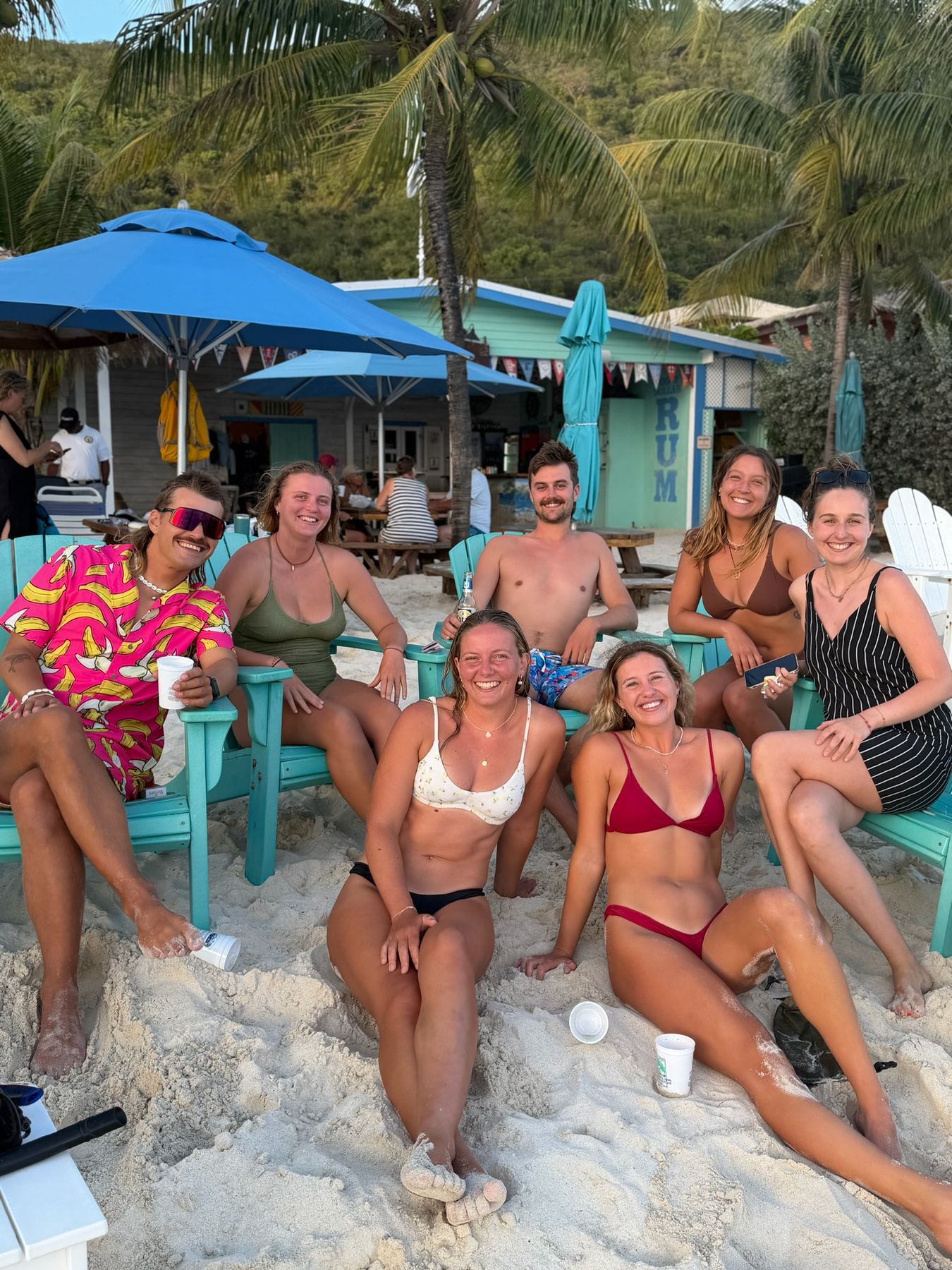
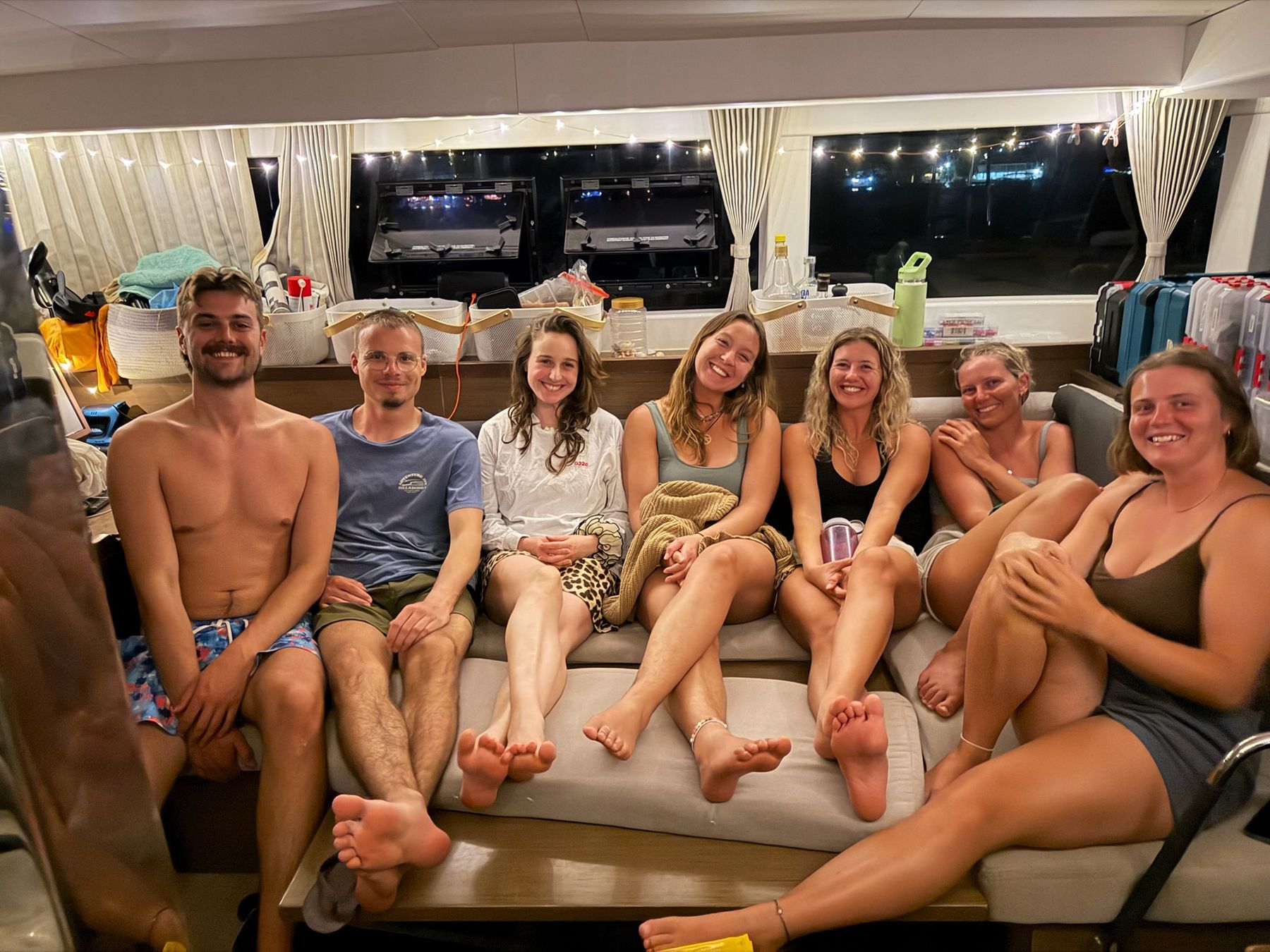
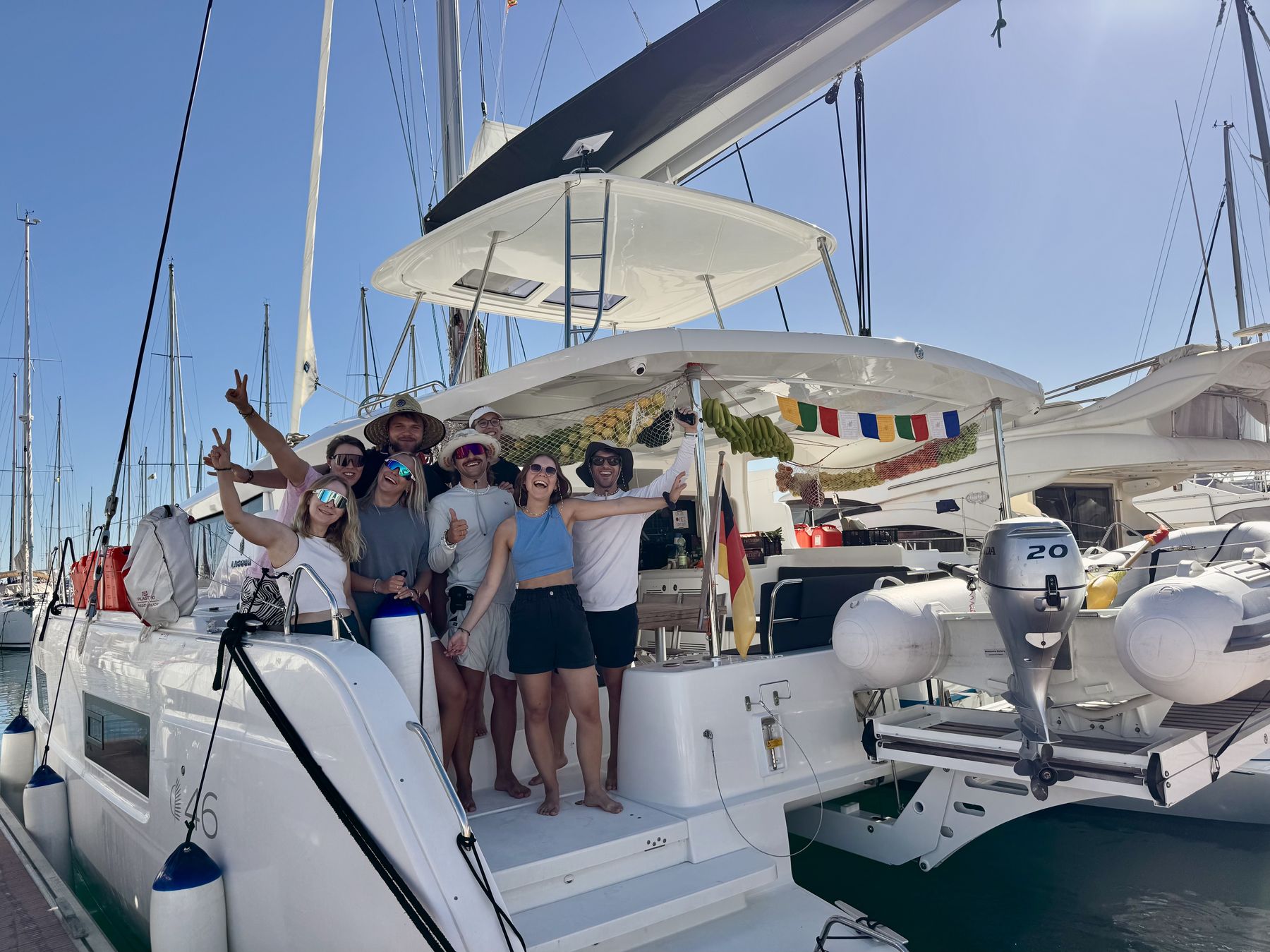
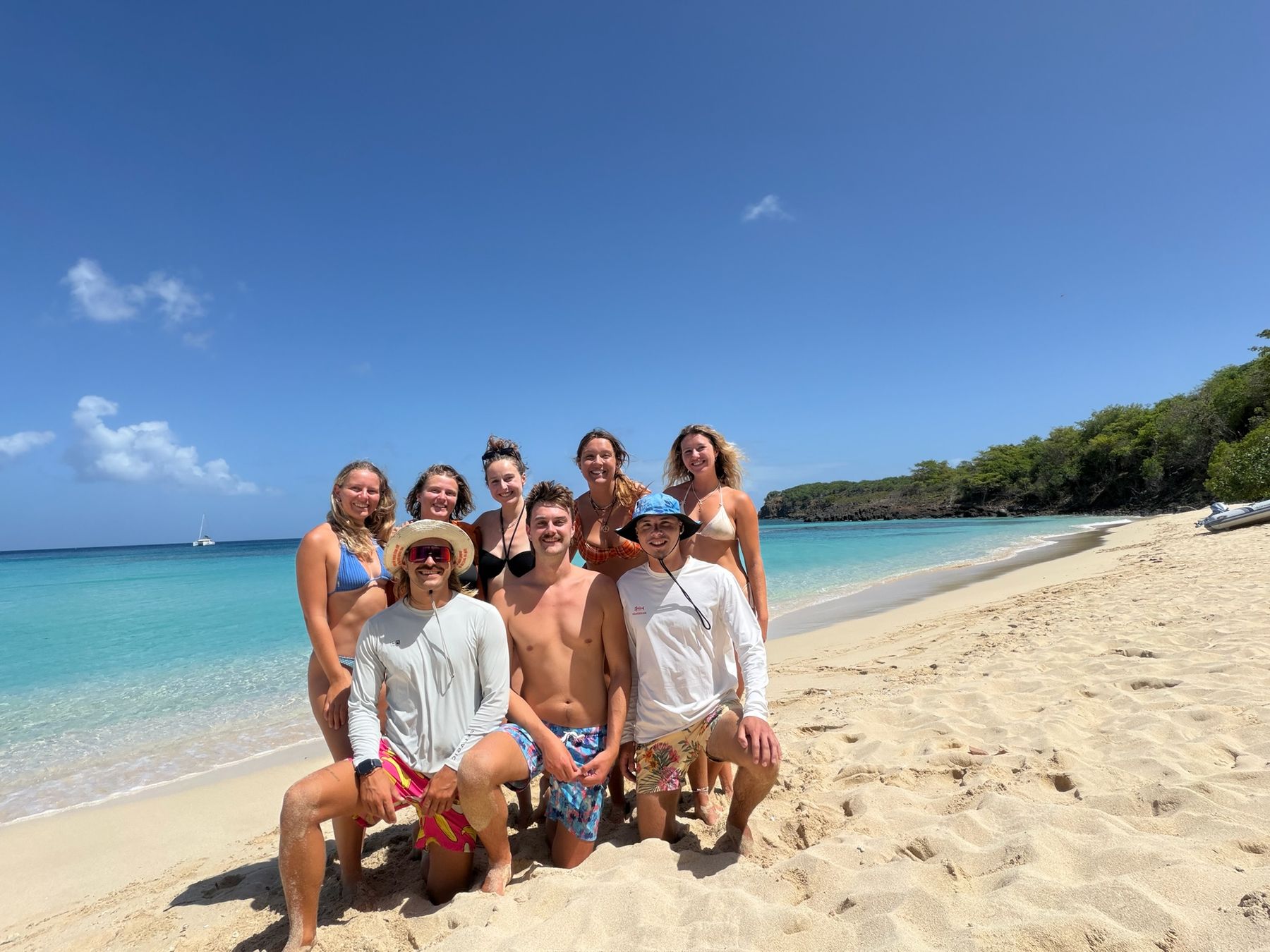
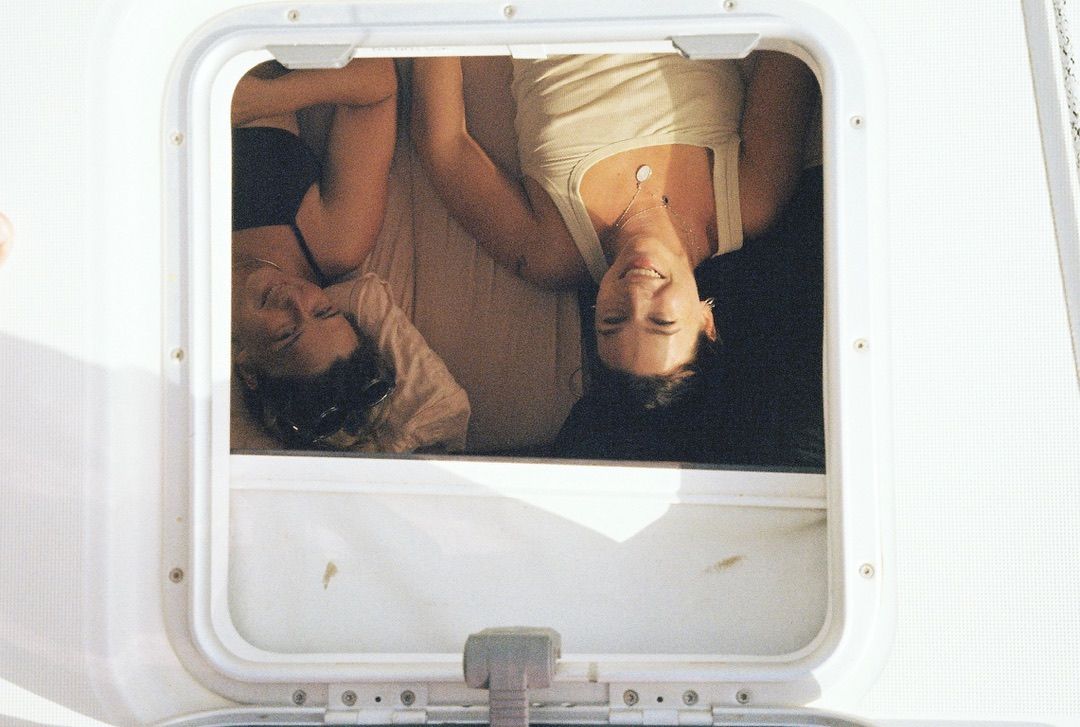
Who else is on the boat?
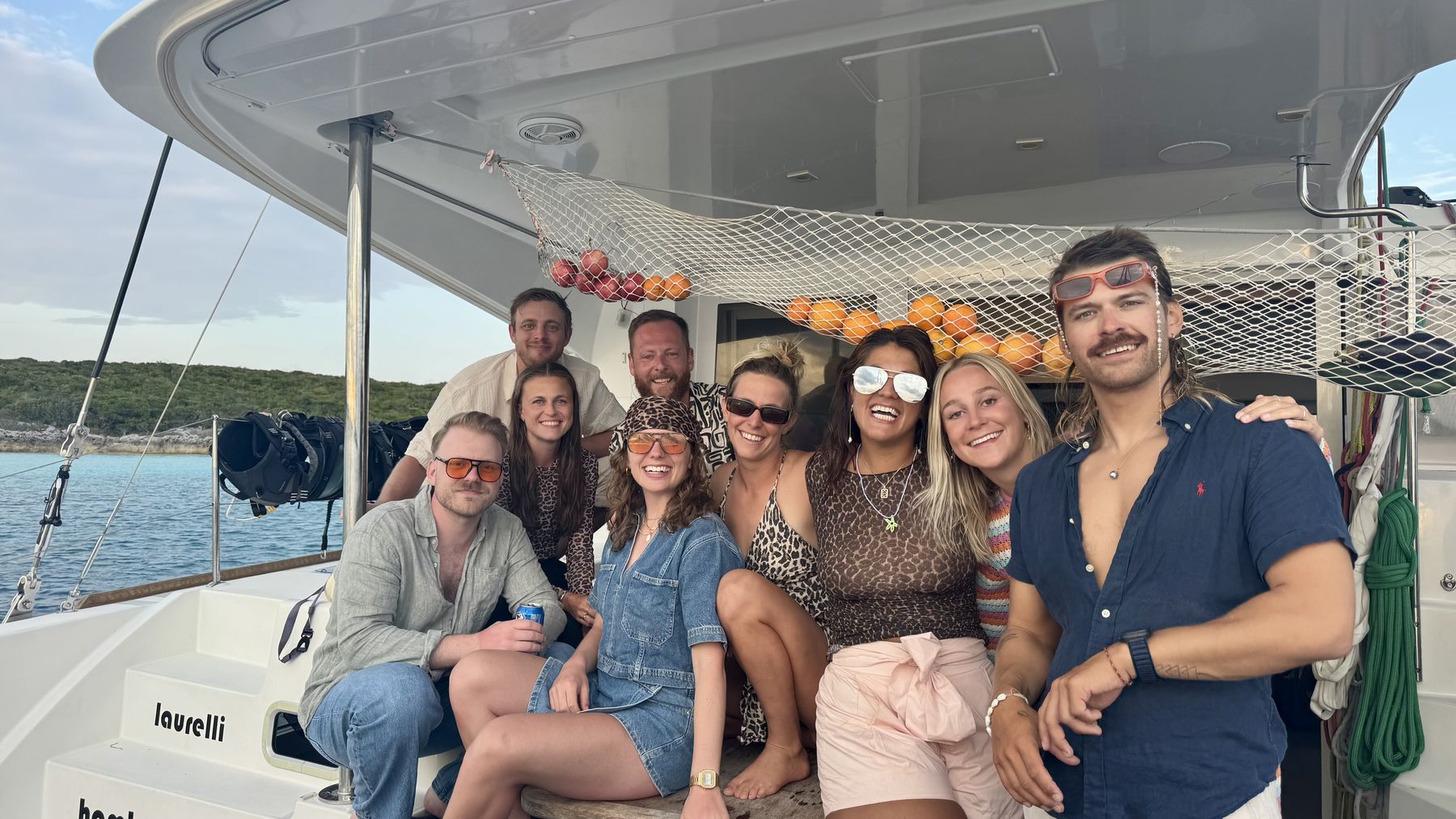
I'm 29, German, and the skipper and owner. My girlfriend Ella is 26, from Norway, and she's on the boat too. The rest of the crew is a colorful international team from lots of different countries. Usually everyone on board is in their twenties, has some travel or backpacking experience and shares the same energy.
Mostly the crew is pretty budget sensitive, meaning we don't usually spend money on expensive restaurants or champagne. We try to match you in your cabin with someone of your gender. In total we're usually six to ten people aboard. But most importantly, our crew has been awesome so far, every time. Once the crew positions are filled, we create a WhatsApp group so you can meet your fellow crew members before the trip.
Questions people ask
Life aboard is simple, close to nature, and community-driven. Expect sun, wind, saltwater and plenty of teamwork. The catamaran is comfortable and practical, but space is shared, so mutual respect makes everything smoother. We don't have a fixed schedule and a lot depends on the people on board. We do things together all the time, but we also each appreciate a little me time, on land or up on the sun deck.
Not necessarily. I'll explain everything you need to know and make sure you feel confident. If you already have experience, you'll get to practice navigation, sail handling and watchkeeping. Of course, a general interest in sailing and learning the ropes should be there, it's always a team effort and everyone has to contribute when we make a passage. I'm a licensed skipper and instructor, and used to teaching greenhorns how to handle a boat. If you're planning on becoming a skipper yourself and are collecting miles, we'll happily sign your logbook!
Cabins are private, but most of life happens in shared spaces like the cockpit, galley and deck. Think of it like a small floating home, where consideration is key. You can always close your door and go to your cabin. You have a private bathroom that you share with your bunk buddy, and although the walls are thin, the layout of a catamaran means you usually don't hear the others in their cabins. Since we spend a lot of time anchored, you'll also usually be able to go ashore for a bit, for example if you want to make a private phone call.
Most trips are pretty long, and that's for a reason. We take our time exploring the islands instead of rushing from port to port like a cruise ship. We explore remote areas and use the independence and freedom of our sailing yacht. So it's not possible to join later than the start date, or leave earlier than the arrival date. It would change the entire trip if we had to meet deadlines at certain airports every week, and it would take away our freedom to sail only in favorable conditions. The effort for us to coordinate crew coming and leaving the boat would also be exponentially higher. These trips are about the true liveaboard lifestyle and slow, sustainable travel. If you have to be back in the office on Monday, these trips are not for you.
We cook together, rotating responsibilities. The galley is well equipped, with a gas stove and oven, and there are two fridges on the boat. We talk about what we'd like to eat and then go shopping together, probably once a week. Every once in a while we'll go to a restaurant or beach bar, and hopefully we'll catch a fish or two that we can roast over the bonfire. Many of the islands have coconuts and tropical fruit too.
Everyone helps. A tidy boat is a safe boat. We keep things stowed, wash dishes right after meals and do daily quick clean-ups. Thursday is cleaning day, we take the morning, deep clean the boat for two or three hours while blasting loud music, and reward ourselves with a cold beer (or coke) afterwards!
At sea, we run a watch system, usually 2-4 hours per shift. At anchor or in port there's no fixed schedule. It's up to us how, and with whom, we'd like to spend the day (and night).
We have a Starlink antenna onboard with an unlimited subscription, so if you like, you can facetime family or work a little. At sea or during the night the antenna is sometimes switched off, to preserve power, but if you have an important call, we can always turn it back on.
Each double cabin has its own head (bathroom) with a little shower, although they're pretty narrow and warm during the day. Thanks to our watermaker we make our own drinking water from seawater, so we're not dependent on marinas to refill our tanks. We still like to shower with salt water at the back of the boat, followed by a quick fresh water rinse, it's just a nice habit and the view is unbeatable. And before you know it, you'll miss the freedom of a shower in the sun at the back of the boat.
Plenty to do, on board and off
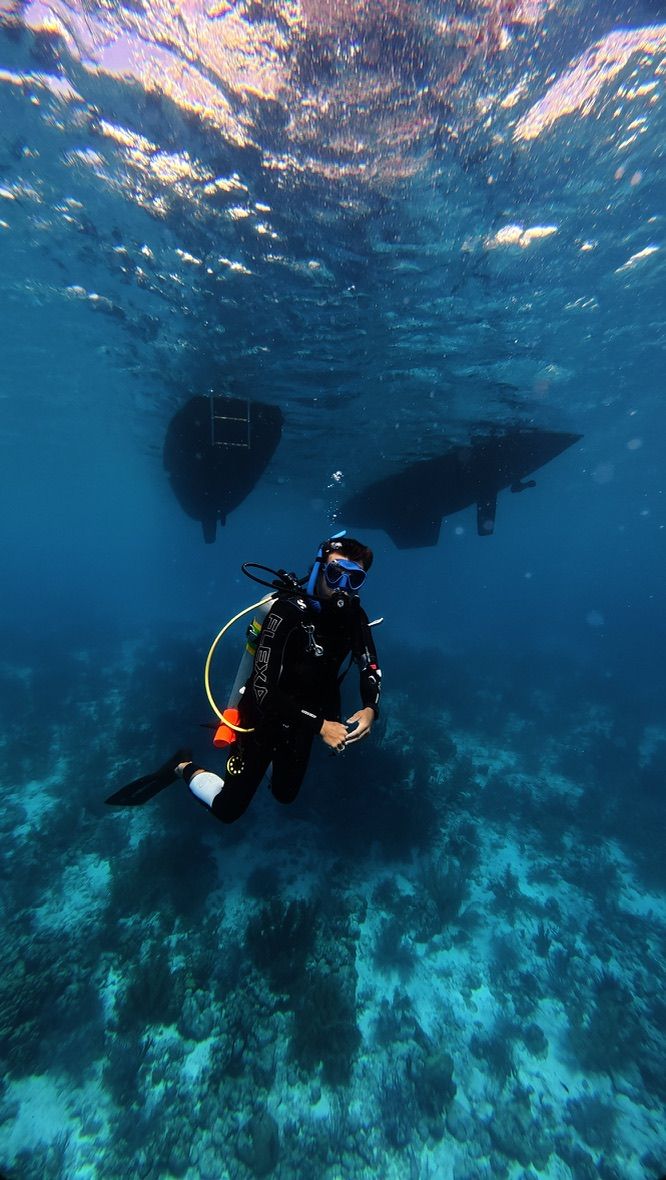
We have scuba gear for five people on board, with our own tanks and compressor. You need to be certified to use it.
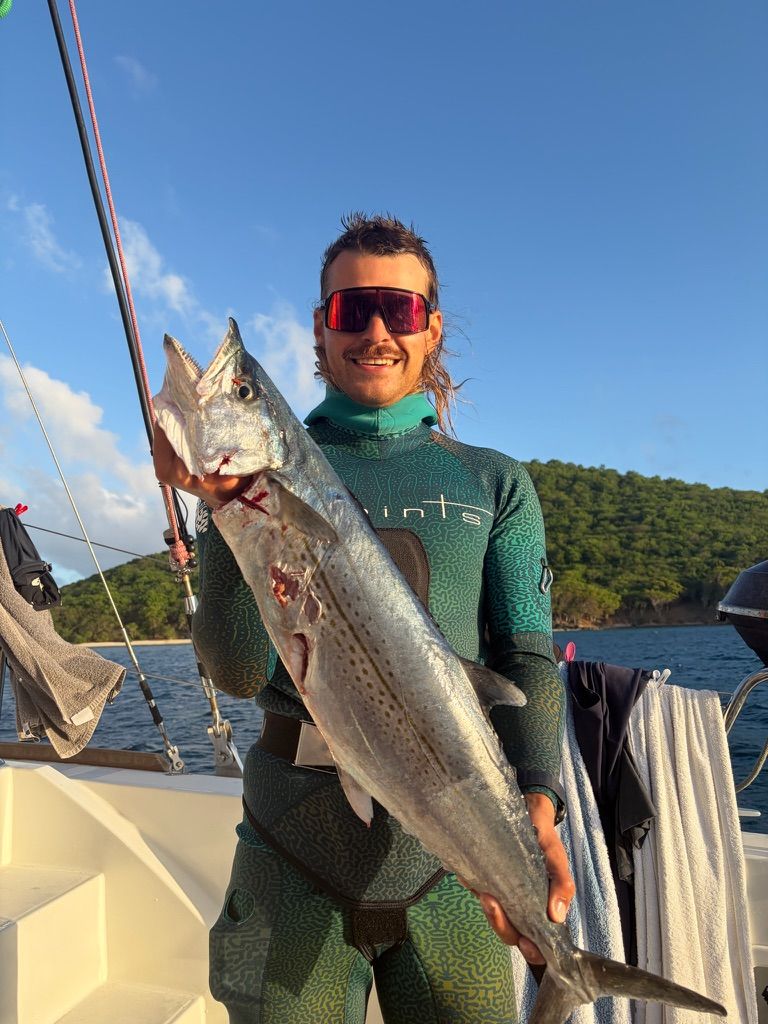
Freediving down for dinner. If we catch something, it usually ends up on the grill that same night.
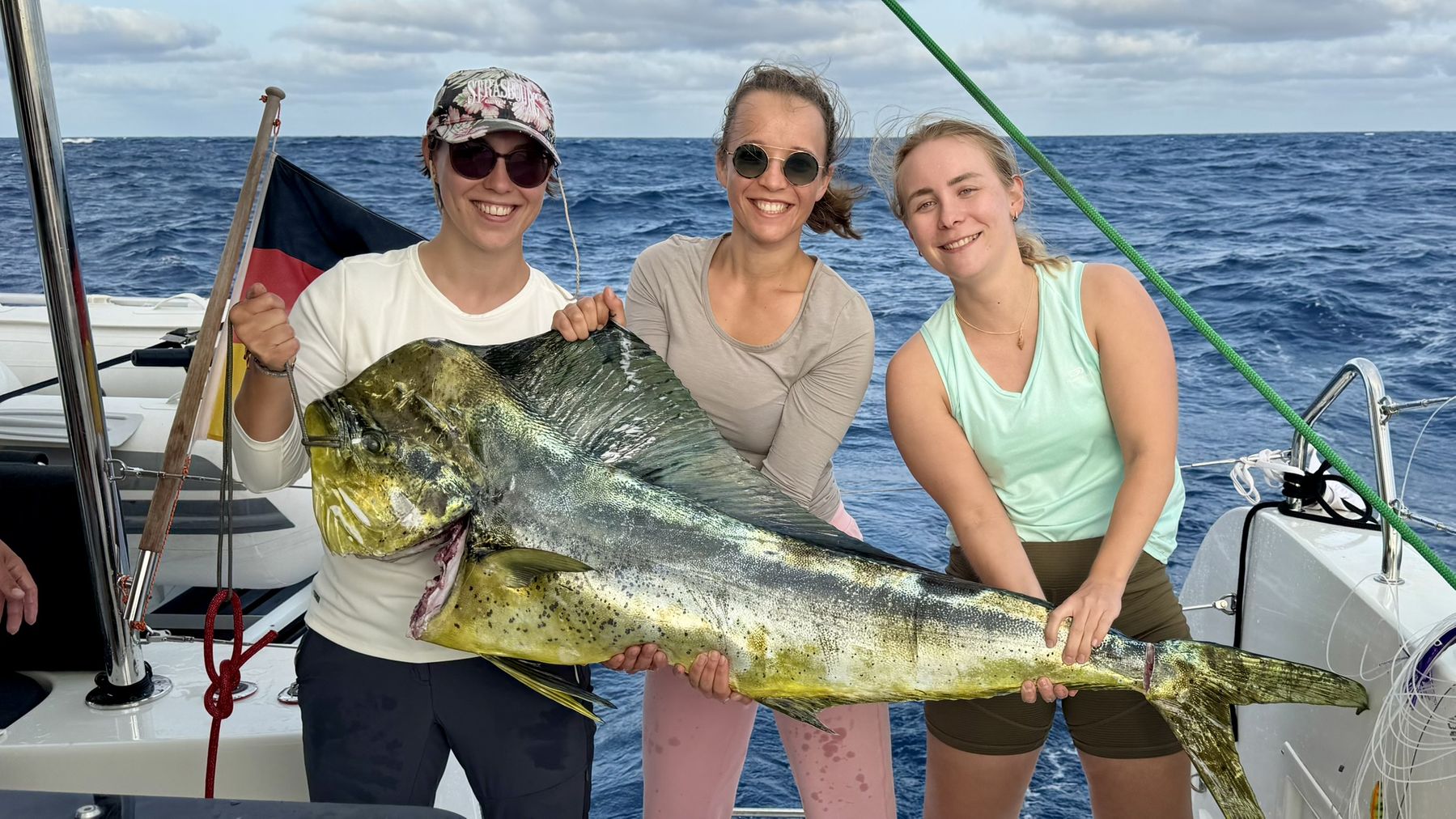
We troll a line behind the boat or the dinghy. Mahi and tuna are always a good day.
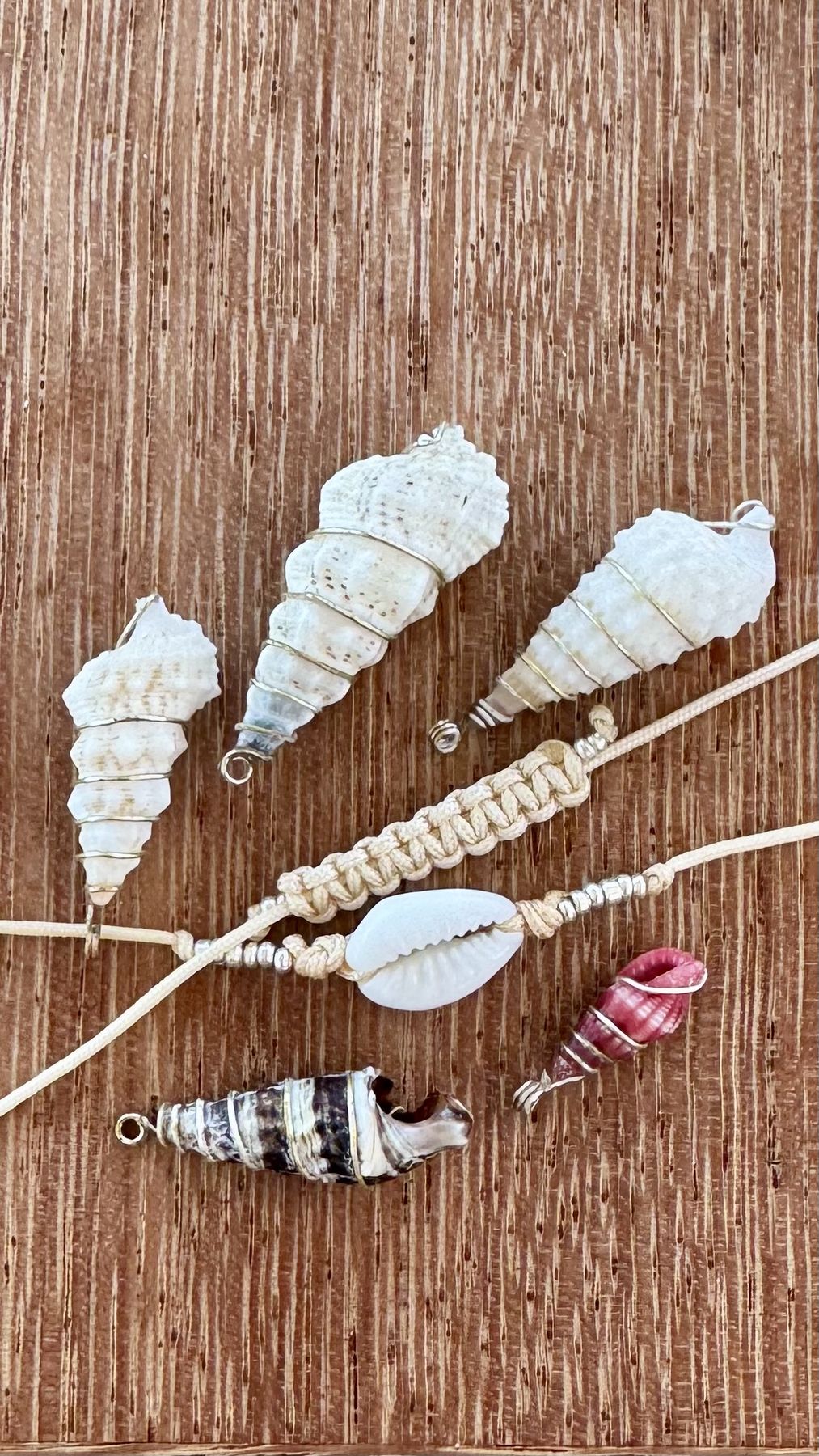
We collect shells on the beach and turn them into bracelets and necklaces, no skill required.
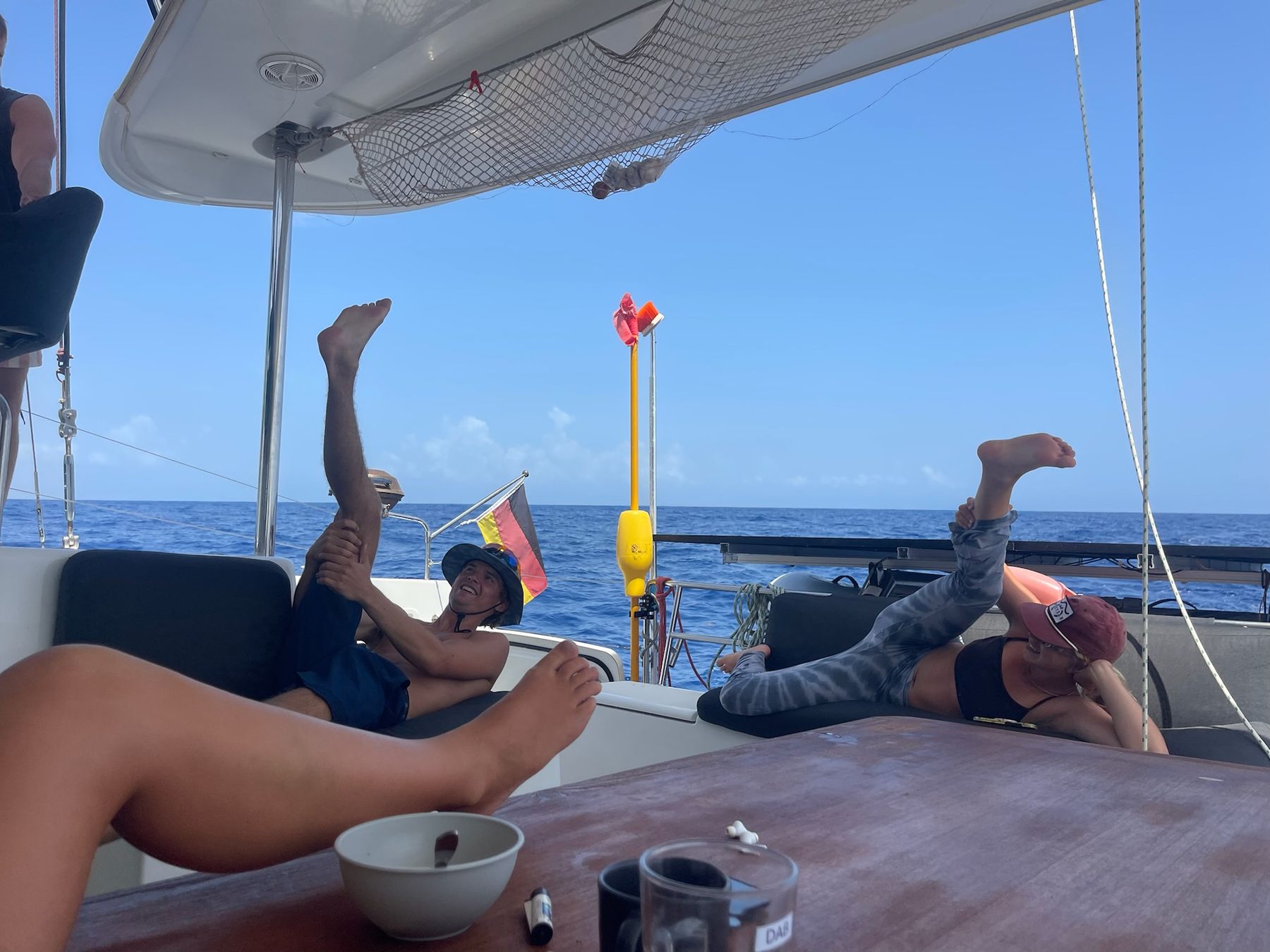
There's space for yoga on the roof, and plenty of islands with a good spot for a run.

We take the dinghy ashore and go explore: waterfalls, viewpoints, little villages, whatever the island has.
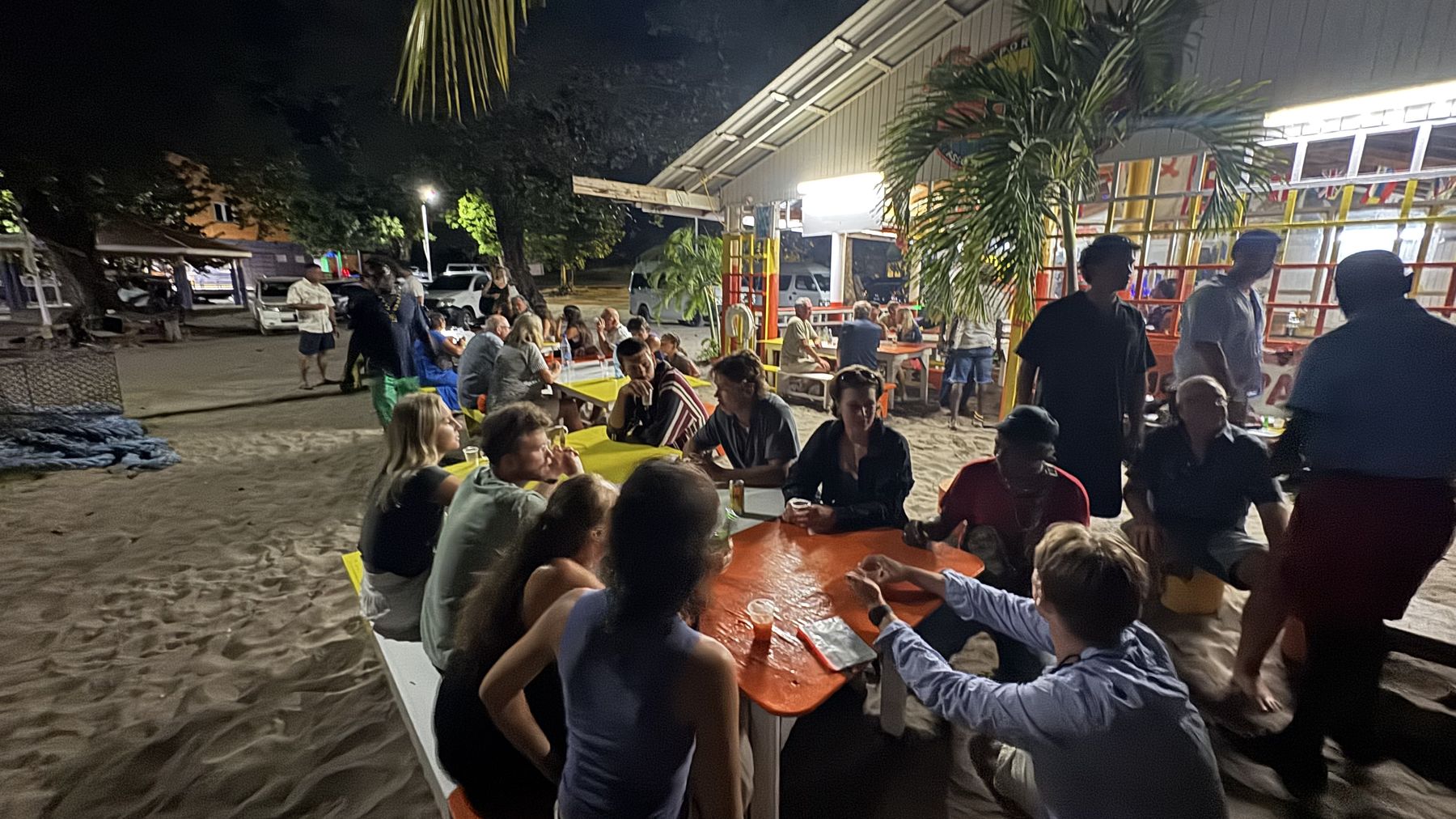
Every once in a while we treat ourselves to a real meal or a sundowner on land.

We regularly raft up or anchor next to friends on other boats, and it turns into a party.
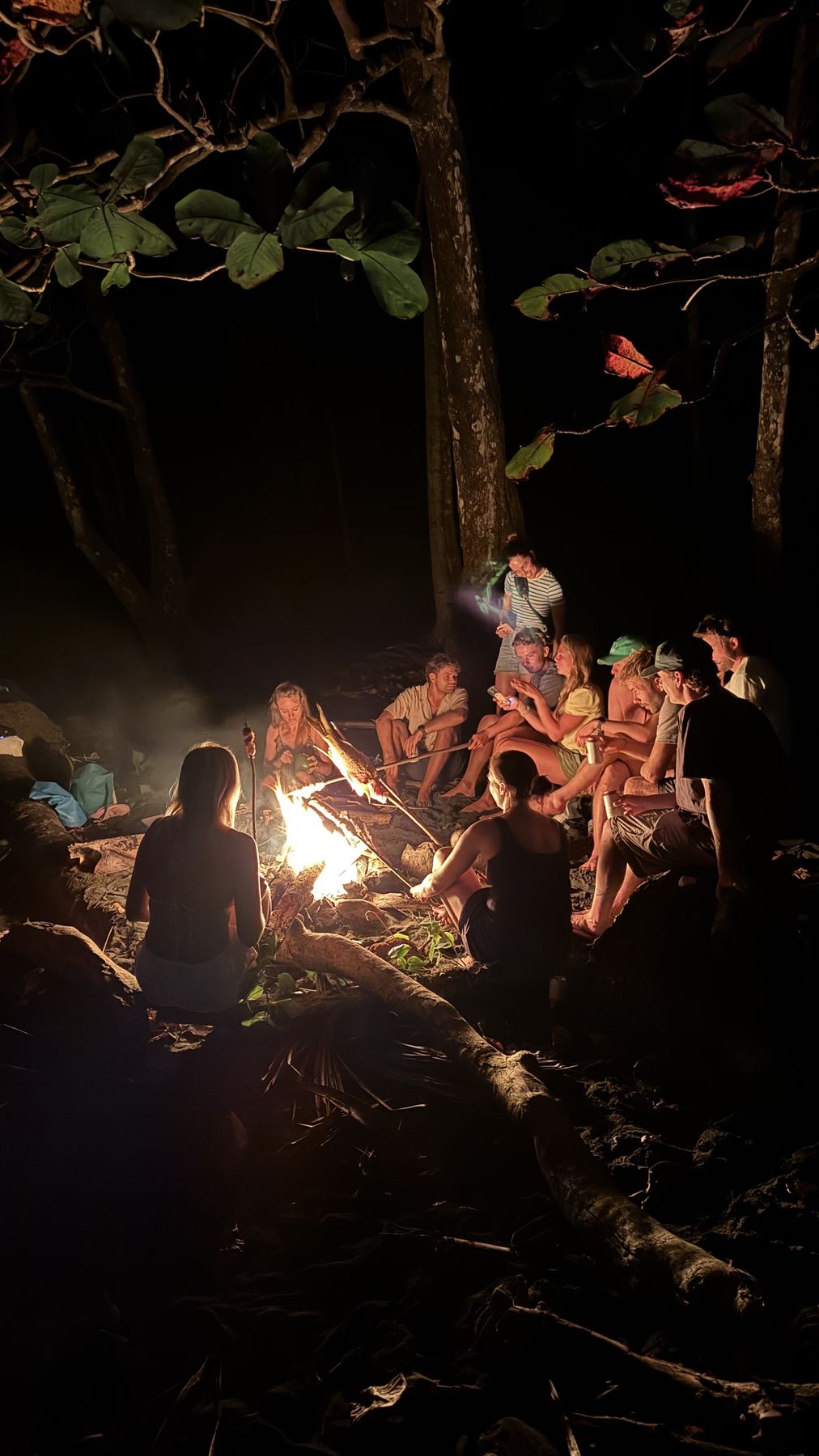
Some nights we build a fire on a deserted beach and roast the day's catch over it, everyone gathered around telling stories.
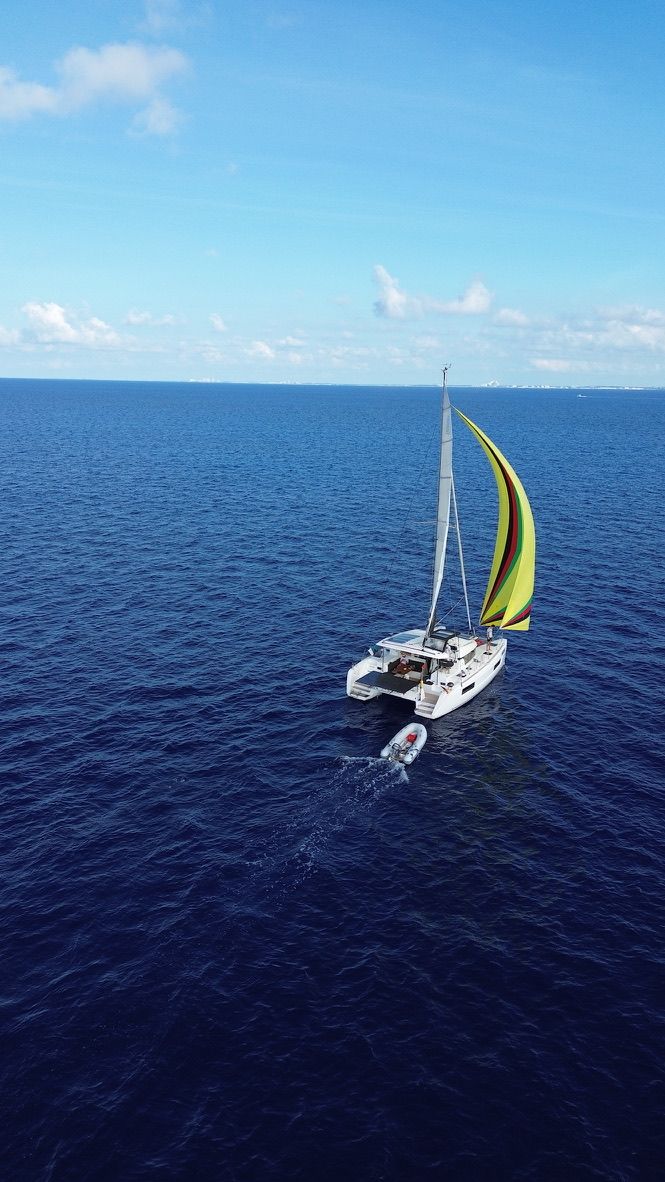
The whole reason we're out here. Everyone gets a turn at the helm and on the winches.
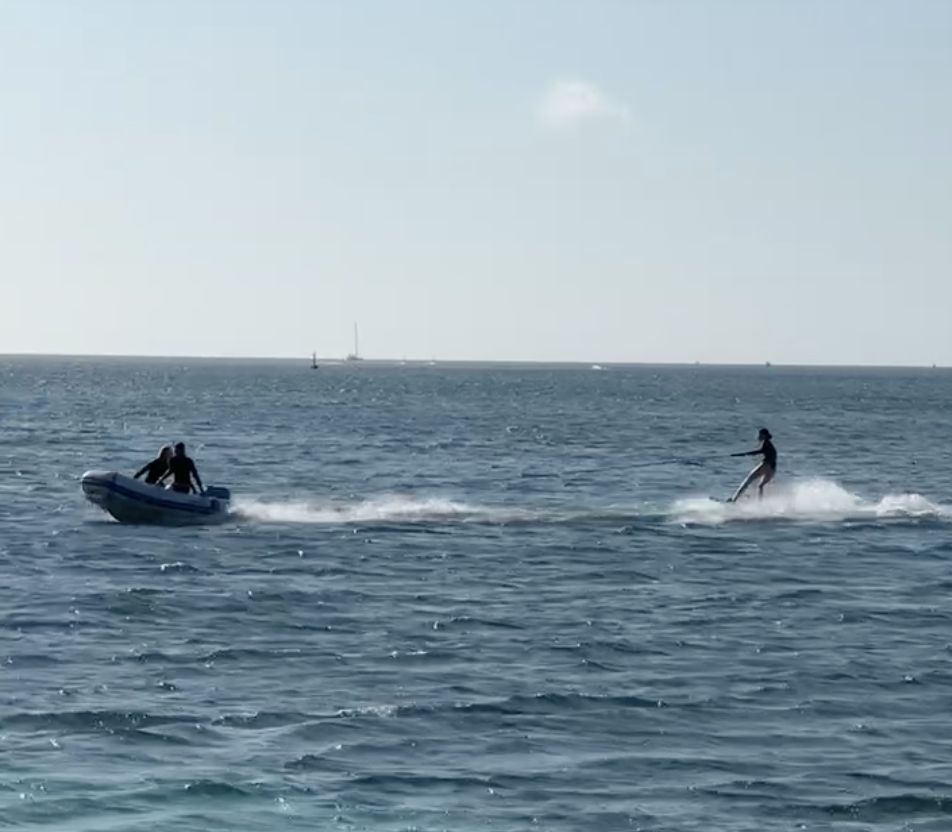
We have a wakeboard on board, give it a try behind the dinghy.
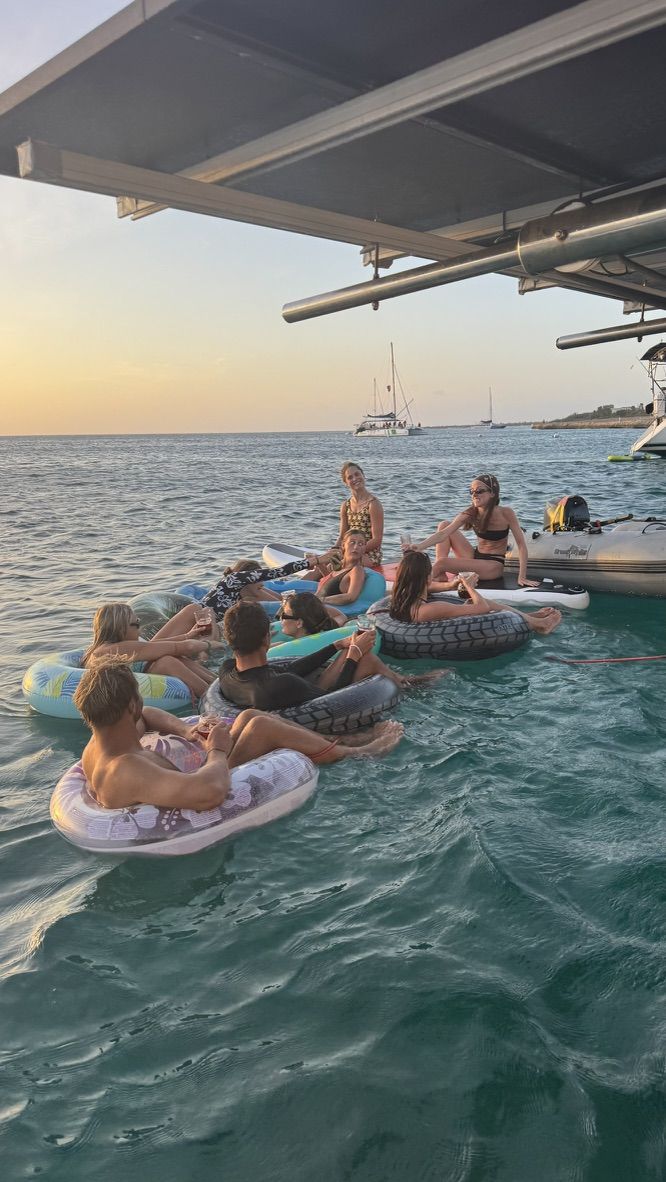
We have a lot of floaties. Some days that's the whole plan.
What should I pack?
Less is more has never been more true than on a sailing boat. Bring less than you intend to. We'll visit laundromats regularly, but it's going to be warm day and night, you'll be wearing nothing but swimwear on the boat for the most part, and famously you never need to wash it if you go swimming every day!
Whatever you bring, you'll have to find space for it in your own cabin, and the space is very limited, especially if you're sharing a cabin. Bring a soft bag, not a hard suitcase, you will have a very bad time stowing a hard suitcase in your cabin.
- Your personal medicine
- Towels (two is best)
- Sunglasses, mineral sunscreen
- UV-protection clothing (rashguard) for hiking and swimming
- Summer clothes (sunlight and salt will damage a lot of clothes over time, so maybe don't bring a cashmere shirt)
- Swimwear
- One warm sweater and one pair of long pants (airports and night watches can be chilly)
- Light rain coat
- One pair of sneakers
- One pair of flip flops
- Wetsuit, diving mask, snorkel, fins (if you want to)
- Power bank (sometimes the boat's power is turned off when the battery is low)
- Head lamp with red light for night sailing
The freedom, the people, the nature: sunrises at sea, dolphins on the bow, new harbors every week, and the feeling of moving under wind power.
Adapting to limited space and resources, and being flexible when plans change with the weather. Sailing teaches patience and teamwork like nothing else.
Ready to come aboard?
Trips fill up fast. Have a look at what's coming up and apply, I read every application myself.
Apply to join a trip